Field notes: the drone footage dated two months before the deal closed
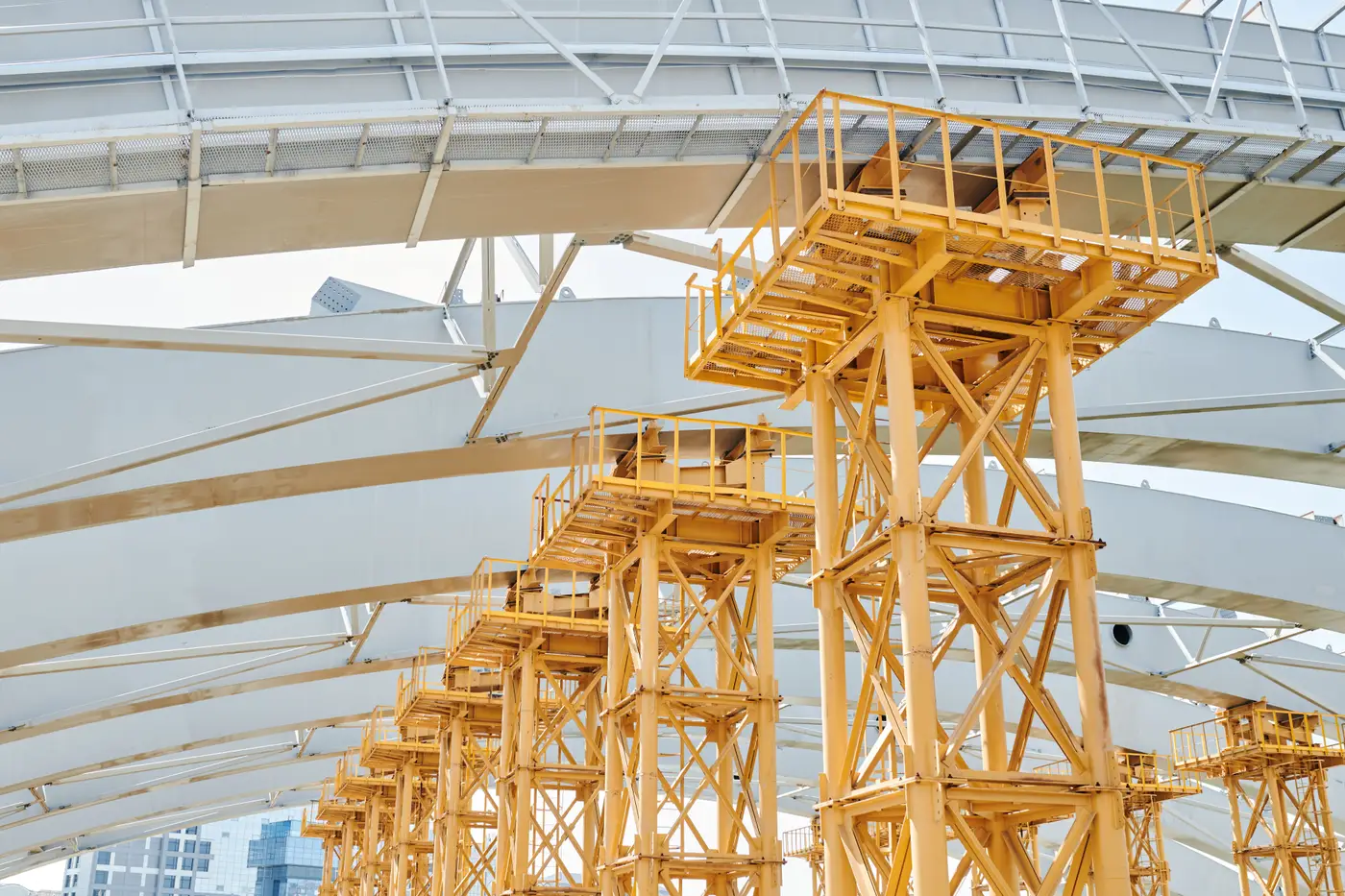
Last month a sponsor sent over a progress deck three days before we were supposed to sign off on a draw. Forty slides, nice drone shots, steel going up on the east wing, a grading crew working the laydown area. Looked current. Looked like exactly what we needed to clear the request.
Somebody on our team has a habit of pulling the EXIF data off any drone or phone image before it goes in the file. Flight date on the lead photo: August 14. We were reviewing this in mid-October. Two months between the shot and the ask.
To be fair to the sponsor, nobody had lied outright. The deck didn't say "as of today." It just didn't say anything, which is its own kind of answer once you've seen it a few times. The project manager's explanation, when we asked, was that the drone operator they use had a scheduling gap and the August flight was "still representative." Maybe it was. But representative isn't the standard on a capital draw, and a two-month gap on a site doing active structural work is not a rounding error.
This is the part of the job nobody puts in the onboarding deck: half of asset-level diligence is just reading timestamps. Not the glossy renders, not the narrative about ahead-of-schedule framing, the actual file metadata buried under three layers of export. EXIF strips sometimes. Screenshots strip it every time. A PDF built from a slide deck strips it completely, and you're left asking the sponsor to re-send the raw files, which is an awkward conversation to have with someone who's waiting on your signature.
The pattern, once you notice it, shows up constantly. A site visit calendared for the wrong season. A "current" photo that's missing equipment you know was delivered the week prior, because a vendor invoice in the same data room says so. A progress percentage that matches last quarter's report almost exactly, like someone copied the number forward and swapped the photo.
None of it is necessarily fraud. Construction reporting is slow by nature, photographers get booked out, and a GC's internal PM software often lags the field by a week or two on its own. But slow and self-reported is exactly the gap a draw schedule isn't built to tolerate.
The suspicion has always been part of the job. What's new is a cheap way to settle it without waiting on anyone's calendar. A current satellite pass costs a fraction of what a site visit costs in time and travel, and it doesn't care whether the sponsor's drone pilot is available this week. We started running a quick before/after image pair against the site boundary ahead of any draw where the progress photos looked more than a few weeks stale, just to confirm the footprint matches the stated acreage and the build-out looks like what's being claimed before we spend a day arguing about it on a call.
A current flyover doesn't replace the site visit when the deal is big enough to warrant one, but it settles the EXIF argument before it starts. You pull current imagery, you look at what's actually there, and the conversation moves to the numbers instead of to whether the photo was taken before or after the last rain delay.
Next time a progress deck lands a few days before a draw, check the date on the lead photo before you check anything else in the file.