How to tell if a sponsor's progress photos are actually current
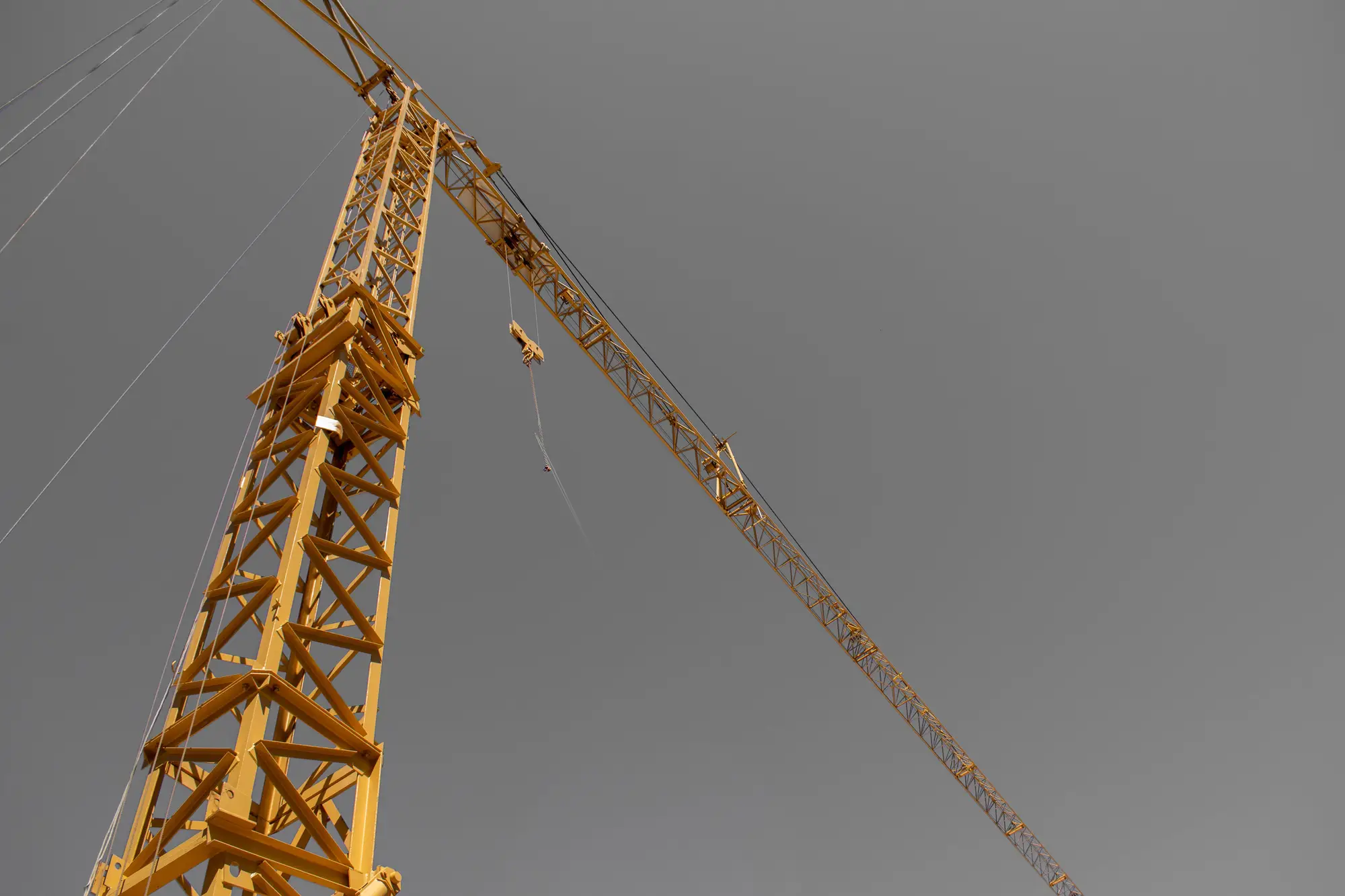
A draw request lands in your inbox with a photo attachment: rebar going up, a slab poured, a crane in frame. The sponsor's narrative says 62% complete. The photo looks like progress. But a photo is just a photo. Nothing in a JPEG tells you, on its face, that it was taken this week and not three months ago when the last draw was approved.
This is the gap a lot of draw reviews fall into. The sponsor controls the camera, the file name, and the story that goes with it. Your job is to find out whether the picture matches the calendar.
What a progress photo actually tells you (and doesn't)
A photo confirms that at some point, something existed and looked a certain way. It does not confirm the date, unless you go looking for that separately. Three things commonly get conflated:
- The image file's metadata (EXIF date, GPS tag, camera model): often present, but trivially stripped or altered, and frequently scrubbed by email clients and PDF exports before you ever see the file.
- The sponsor's written caption or date stamp: whatever they typed next to the photo. Self-reported, and only as reliable as the person reporting it.
- The actual state of construction on the ground: the thing you're trying to verify in the first place.
Draw packages routinely strip metadata when photos get dropped into a PDF or slide deck, so by the time it reaches your desk, you're often looking at a bare image with a typed caption underneath it. That caption is the sponsor's claim, not evidence.
Five things to check before you sign off
Shadow length and direction. A photo taken at noon in July has short, near-vertical shadows. A photo taken at 4pm in November has long shadows at a low angle. If the sponsor says the photo is from this month but the shadows read like a different season, that's a flag worth asking about directly.
Vegetation and seasonal cues. Bare trees in a photo attached to a June draw request, or green canopy in a January one, for a site in a temperate climate. Snow on equipment that's supposedly operating in a dry month. These are easy to miss when you're moving through a stack of draws, which is exactly why sponsors sometimes get away with it, intentionally or not.
Equipment and material staging. Compare the crane position, the stack of delivered materials, the fencing line against the previous quarter's photo. If nothing has moved and the completion percentage jumped ten points, ask why the yard looks identical.
File metadata, when it survives. If you receive the original image files rather than a PDF extract, check the EXIF date and GPS coordinates. Ask the sponsor's team for originals rather than the compressed draw package if a photo looks questionable. A sponsor with nothing to hide usually has no issue sending the source file.
Weather records against the claimed date. Cross-reference the claimed shoot date with public weather history for the site's zip code. A sunny, dry photo attached to a date that had three inches of rain on record is worth a follow-up email before the draw gets approved.
None of these checks is conclusive on its own. A long shadow could mean early morning rather than a different season. Stripped metadata could mean a lazy export, not deception. What they do together is build a pattern: either the photo lines up with the claimed date on every axis you can check, or it doesn't, and you have a specific, defensible reason to ask the sponsor for something better before the capital moves.
When the photo isn't enough
A hand-checked photo, however carefully you read the shadows, can't confirm whether the footprint matches the stated acreage or whether the structure in frame sits where the sponsor says it does. That calls for an image of the site itself, pulled independently of whatever the sponsor hands you, with a timestamp you didn't have to infer. Site Verification pulls an on-demand before/after image pair from satellite or aerial imagery and compares the asset against itself on your schedule, independent of the sponsor's caption.
If the draw package's photos don't survive the shadow test, that's the point to order a verification pull before you sign off on the capital.