What is an image capture date, and why it belongs in your deal file
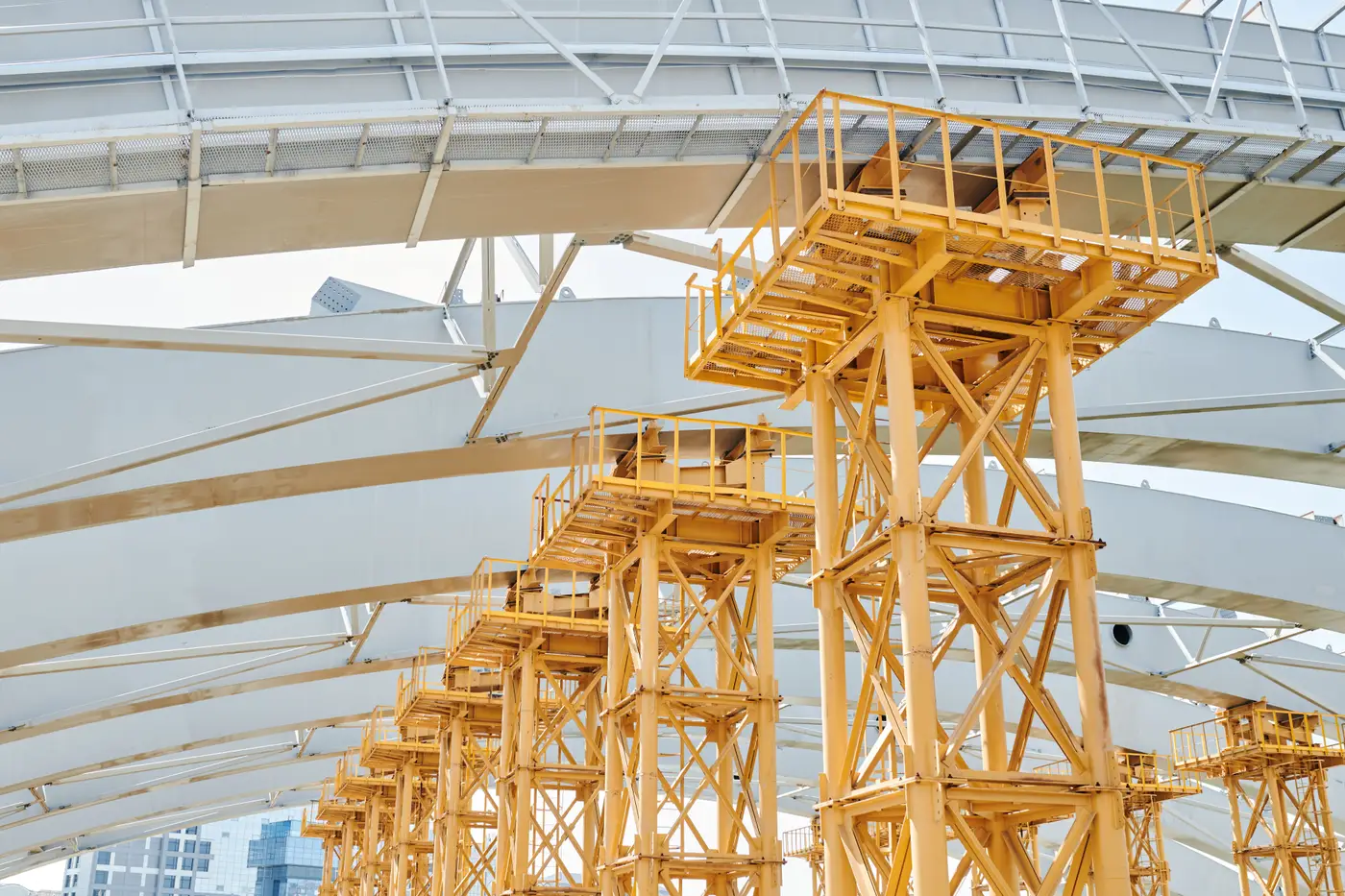
Every digital photo carries a capture date in its metadata, the EXIF field (or its equivalent on drone and satellite imagery) that records the exact moment the shutter fired. On a phone snapshot that field is almost always accurate. On a photo pasted into a sponsor's quarterly progress report, it's rarely checked at all.
That gap is where a lot of bad capital calls slip through. The packet shows steel going up, a slab poured, a parking lot striped. The cover memo is dated this month. Nobody asks whether the photo inside it is dated this month too, or whether it's from the last site visit, three months back, before the change order that pushed the schedule.
Why the capture date gets skipped
Sponsors aren't usually hiding anything on purpose. Progress photos get pulled from a shared folder, a contractor's phone, a drone operator's last flight. Whoever assembles the draw request grabs the most recent-looking image, not necessarily the most recently taken one. File names get changed when photos are resized or re-uploaded, and the original timestamp goes with it. By the time an image lands in your deal file, the only date you have is whatever's typed in the narrative next to it, which is the sponsor's word, not a fact you can verify.
For a deal associate, that's a thin basis for releasing funds. Asking for a date is the same check you'd run on a bank statement or a rent roll: confirming the document reflects the period it claims to.
What a dated image actually proves
A single photo with a verified capture date answers one narrow question: did this physical condition exist on this day. That's it. It doesn't tell you the contractor is on schedule or that the budget is intact. But stacked against the draw schedule, it either lines up or it doesn't, and that's usually enough.
The useful version of this is a pair of images, an earlier one and a current one, both timestamped, both of the same coordinates. That lets you see the delta yourself instead of reading the sponsor's description of the delta. An independent before/after image pair built from recent satellite or aerial capture gives you that without waiting on the sponsor's camera roll or trusting their file metadata at all.
Building the check into sign-off
A few habits close most of the gap:
Ask for the raw image file, not a cropped or compressed copy, whenever a progress photo matters to a draw decision. Compression and re-saving strip or scramble EXIF data more often than people expect.
Cross-check the stated capture date against weather, shadow length, and visible site conditions. A photo claiming late-summer progress with snow on the ground nearby is a five-second catch, and it happens more than it should.
Keep the dated image with the draw file, not just the narrative referencing it. If the deal gets questioned later, by an LP, an auditor, a successor associate, the photo needs to stand on its own as evidence, not as an illustration of someone's memo.
For anything above a threshold you'd actually escalate on, get a second image from a source the sponsor doesn't control. That gives you something in the file dated the day it was taken, by a process nobody on the deal team or the GP side touched.
None of this requires a forensic investigation. It's the same instinct that makes you reconcile a rent roll against actual leases instead of taking the summary number. A capture date is just the timestamp version of that same check, and it's one of the few pieces of evidence in a draw package that's either true or it isn't.
If your current process depends on reading a sponsor's narrative and hoping the photo behind it matches, it's worth seeing what a dated, independently sourced image pair looks like before your next sign-off.